The Green Cast Is Not a Genre: A 2026 UK Lighting Primer for Underwater Editorial
Photo: Dietmar Rabich, CC BY-SA 4.0, via Wikimedia Commons
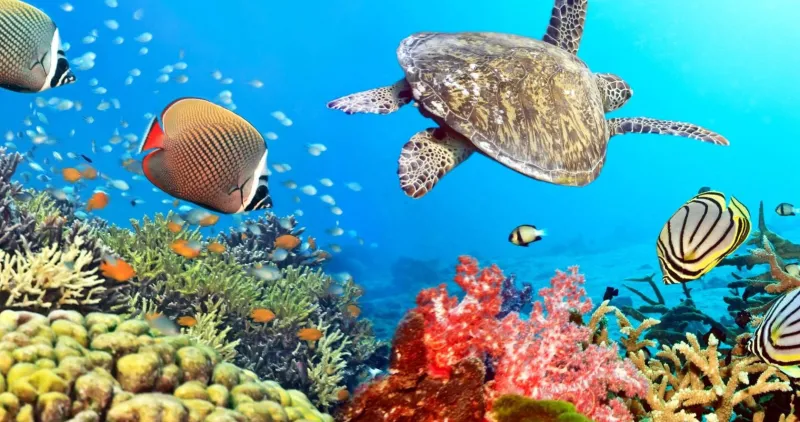
Underwater photography has a default look: green-blue water, milky highlights and skin rendered slightly less alive than it is. In UK pools, that look is easy to achieve. It is also easy to mistake for atmosphere. The argument of this primer is simple: a green cast should be a decision, not an accident. Lighting is how a producer decides.
What UK Water Does to Light
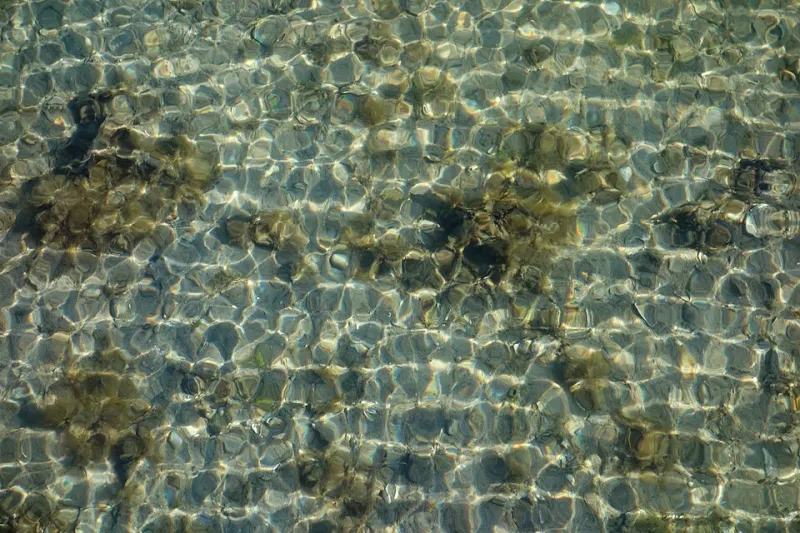
Water absorbs red first, then orange and yellow, leaving green and blue to dominate. Chlorinated pools add haze from dissolved chemicals and suspended particles. Pale tiles bounce light back into the scene; dark tiles absorb it and deepen shadows. Turbidity scatters light and lowers contrast, so a strobe that looks powerful on land may produce a flat, veiled image under water. Skin tones lose warmth first. The fix is not always more power. Sometimes it is a different angle, a gel or a custom white balance.
Skin Tones, Colour Temperature and the Limits of Auto
Auto white balance is a guess, and under water it is usually a bad one. Use a grey card at the working depth and set a custom white balance. A colour checker in a sealed housing gives post-production a reference. Shoot raw where possible. Do not overcorrect a green cast into an orange one; the aim is plausible skin, not terrestrial warmth. A light magenta gel on a strobe can neutralise green, but it also reduces output. Test the gel with the water type, because a pool with blue tiles will behave differently from a black-lined tank.
Strobe, Continuous and Practical: A Comparison
Strobes offer short, powerful bursts that freeze movement and render colour consistently. They are the default for stills, but modelling lights are weak, so the performer may not see the final look. Continuous LED panels are easier for performers to read and are essential for video, but they generate heat, need safe power routing and can flicker at certain shutter speeds. Practicals, such as battery-powered LED torches and small panels, are useful for accents and backlight. They must be IP-rated for water proximity, securely rigged and never connected to mains while near the pool.
Fixing the Green Cast
- Set a custom white balance at depth with a grey card.
- Use a light magenta gel or filter, then test for skin tone.
- Add a warm practical for skin, keeping it off the background.
- Use negative fill to deepen shadows and restore contrast.
- Grade with a colour checker rather than a global hue shift.
Surface Reflections and Haze
Surface reflections are often the difference between a polished image and a snapshot. Shoot at an angle to the surface, flag direct strobe with black fabric, and use matte black panels to absorb stray light. A snoot can isolate a face or a garment detail. A polarising filter can reduce reflections but costs light; plan for the loss. Haze is best controlled by reducing the distance between light and subject and by choosing clearer water where possible.
Building Atmosphere Without Losing Polish
Hard light creates sculptural shadows and a fetish-editorial edge. Backlight separates a silhouette from the water. Negative fill gives tasteful explicit coverage without flattening the body. Practicals can add a single point of warmth in an otherwise cool scene. The mistake is to light everything. Atmosphere comes from what is left dark. Consent and performer comfort remain part of the lighting plan: a performer who cannot see or breathe comfortably will not hold a shape.
A Deliberate Look
Green water can be beautiful. It can suggest depth, cold and separation from the ordinary. But it should be chosen. A 2026 UK underwater set can be atmospheric and technically controlled at the same time. The difference is not a bigger strobe. It is a producer who reads the water before choosing the light.