Bricks, Tiles and Water: Reading a UK Pool's Architecture Before the First Frame
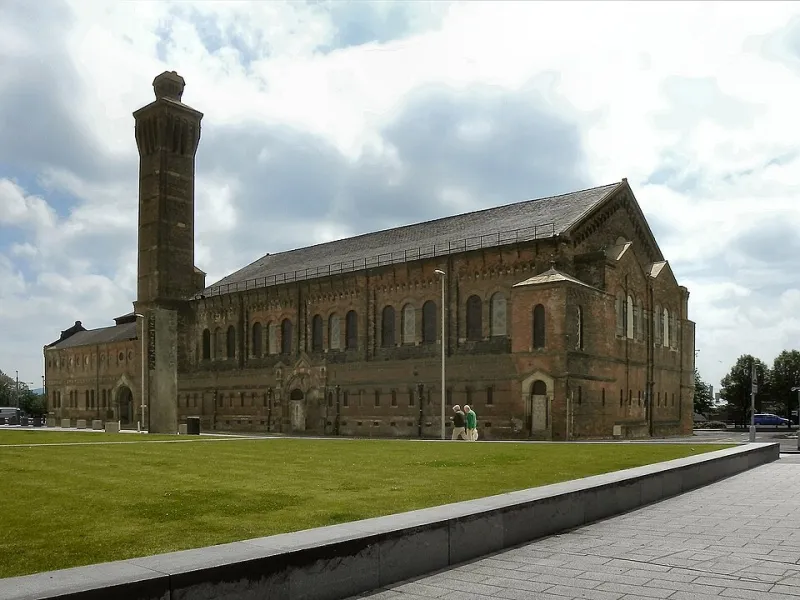
Photo: David Dixon , CC BY-SA 2.0, via Wikimedia Commons
A pool does not simply host an underwater fetish editorial. It edits it. The height of a ceiling, the colour of a tile, the echo after a plunge and the line of a viewing gallery all press on the image before a camera is lifted from its case. For UK producers working in 2026, venue scouting is therefore not a logistics task bolted onto pre-production. It is a creative decision with safety, permissions and shot-planning consequences.
The Building Is Already Speaking
Most adult underwater work begins with a performer, a concept and a wardrobe. The venue often arrives later, chosen for availability and price. That order is understandable, but it risks treating architecture as wallpaper. A Victorian baths hall, an Art Deco lido, a tiled private tank and a hotel pool each offer a different grammar of light, sound and enclosure. They change how a body reads underwater, how a costume behaves and how private the set feels.
The practical question is not which pool is most beautiful. It is which pool supports the intended editorial without asking the crew to fight the building. A venue with architectural character can become a collaborator; the same venue can become an obstacle if its constraints are discovered on the day.
Four UK Venue Types and Their Creative Signatures
Victorian and Edwardian baths often bring high ceilings, glazed brick, ironwork and a sense of civic weight. The visual reward is texture and atmosphere; the practical challenge is often listed-building protocol, restricted rigging points and acoustic reverberation. A producer should ask early whether adhesive fixings, tripods near poolside or temporary blackout are permitted, and whether the pool’s heritage status imposes conditions on crew movement.
Art Deco lidos and open-air pools offer strong geometry, bold tile patterns and, in the UK, weather-dependent light. Their character is inseparable from the sky. A private hire may still involve public-facing sightlines, neighbouring buildings or seasonal opening arrangements. For fetish editorial, the contrast between architectural glamour and exposed outdoor conditions can be creatively useful, but it demands a contingency plan for wind, temperature and changing light.
Private tanks and specialist training pools tend to prioritise function: controlled depth, clear water, marked lanes and removable equipment. They may lack the romance of a heritage pool, but they offer repeatability and privacy. The editorial value lies in what the producer builds within the space — lighting, draping, props and framing — rather than in the shell itself.
Hotel and members’ pools sit between those poles. They can supply polished surfaces, controlled climate and discreet access, but hire terms may be narrow, public liability requirements strict and photography restricted to specific hours. The venue’s brand may also impose visual limits, particularly around adult content. A scouting conversation should establish, in writing, what the pool understands the shoot to be.
Depth, Tile and the Colour of Water
Depth is not only a safety figure. It determines how much body can be submerged, how far a performer can descend without disturbing the surface and how much background separates subject from floor. A shallow pool can be excellent for close, graphic frames; a deeper pool gives room for vertical composition and drifting fabric. Neither is automatically better, but the shot list should follow the profile of the water.
Tile colour is equally editorial. Pale blue and white tiles can lift available light but may flatten contrast; dark tiles can add depth and drama while demanding more controlled illumination. Green or yellow tiles can cast a tint that becomes part of the palette or a continuity problem. A pre-light visit should record tile samples, water clarity and any painted markings that may intrude on close-ups.
Acoustics, Sightlines and the Feeling of Privacy
Underwater adult sets depend on calm communication. Hard tiled halls amplify every splash, pump hum and poolside instruction. A venue with heavy reverberation may require a tighter briefing, more hand signals and a designated poolside coordinator who can keep non-essential conversation away from the water. This is a craft issue as much as a comfort issue: repeated shouted directions can fracture the atmosphere an editorial is trying to build.
Sightlines matter too. Windows, balconies, adjacent corridors and staff doors all shape whether a set feels contained. For fetish editorial, privacy is part of the production standard, not an afterthought. A scouting visit should map who can see the pool, at what height and during which hours. If blackout is not permitted, the shot plan may need to use angles that avoid reflective glass or public-facing viewpoints.
Hire Terms and the Permission Trail
UK pool hire is rarely a single transaction. Local authority venues, charitable trusts, private clubs and hotels each carry different approval routes. Producers should confirm the named contact, the permitted hours, crew numbers, changing facilities, parking, equipment access and whether the hire includes exclusive use of the pool hall. For adult content, the purpose of the shoot should be disclosed accurately at the point of enquiry. Ambiguity at booking stage creates risk later.
A written permissions file should sit alongside the risk assessment. It need not be elaborate, but it should record the venue’s consent to the stated activity, insurance evidence, any heritage or building restrictions, and the arrangements for poolside privacy. Where the venue requires its own staff to be present, their role and sightline should be included in the safety briefing.
Planning the First Frame Around the Room
A useful scouting visit ends with a shot plan adjusted to the building. Which wall gives the cleanest background? Where does the water line sit against the tile? Which corner produces unwanted echo? Is there a natural turning point for a performer to rise into the over-under frame? These observations convert architecture into editorial decisions rather than vague atmosphere.
The pool need not dominate the image to shape it. A venue’s proportions can make a performer appear more isolated or more held; its surfaces can soften or sharpen a costume; its acoustics can make a set feel clinical or calm. In UK underwater fetish editorial, the most controlled productions are often those that treat the building as a collaborator with clear limits. Scout for character, but plan for terms, safety and sightlines. The water will do the rest.