Open Water, Closed Set: Saltwater Underwater Editorial for UK Producers
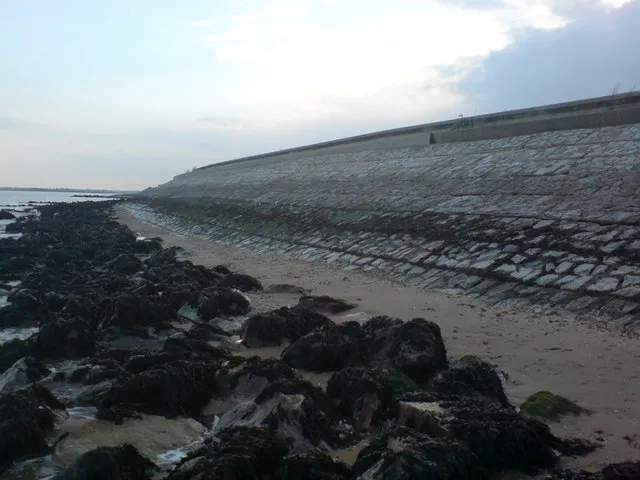
Photo: John Mann, CC BY-SA 2.0, via Wikimedia Commons
A pool is a room with rules. The sea is a location with variables. For UK producers of underwater glamour and fetish editorial, that distinction matters more than any aesthetic argument for saltwater. Coastal water can offer texture, movement and a sense of place that no tiled tank can imitate, but it also removes the assumptions that make pool work manageable. In 2026, with more independent adult studios looking beyond the hired lane, the sensible question is not whether the sea looks better. It is whether the production can carry the sea's conditions without compromising consent, safety or the finished editorial.
Begin with the tide table, not the mood board
Saltwater work should be scheduled around water state, not around convenience. Tide height, direction and range determine depth, current, access and exit. Slack water is usually the friendlier window, but it is not automatically safe. Wind against tide can turn a calm-looking bay into confused water; swell can arrive from weather systems hundreds of miles away. Spring tides may open a location and then close it again within the hour.
A UK producer should use official tide tables and the Met Office inshore waters forecast as the baseline, then verify the local picture with harbour staff, coastguards or experienced local water users. Secondary port corrections matter. So does daylight: in November, a saltwater call sheet has a much shorter useful middle than a July one. Build in a contingency window and a standing decision to cancel. The editorial is not improved by a performer being cold, frightened or rushed.
Visibility is a safety metric, not a look
In a pool, visibility is broadly predictable. At the coast, it can change with rainfall runoff, stirred sediment, algae, swell and boat traffic. A reconnaissance visit is not optional. The producer and safety lead should agree a minimum visibility for submersion, expressed in practical terms: can the safety diver see the performer, and can the surface spotter see the diver's signal? If the answer is uncertain, the water is not ready.
Saltwater also adds cold, buoyancy changes, current, entrapment potential and public access. Safety cover should therefore be led by someone with open-water rescue competence, not by a photographer's assistant holding a towel. A dedicated safety diver, a surface spotter, a clear exit route, a throw line, warm blankets and a written emergency plan are the minimum furniture of the day. The nearest appropriate medical facility should be known before call time, not searched for afterwards. Mobile signal should never be assumed. For adult editorial, the safety lead must also understand the consent framework and be empowered to stop the shoot without debate.
Wardrobe and makeup under salt
Saltwater is chemically patient and materially unforgiving. It leaves crystals in seams, corrodes cheap hardware, stiffens some fabrics and bleeds dyes that behaved in fresh water. Fetish wardrobe needs a salt test before it travels: rinse a sample, dry it, inspect the fittings. Leather, suede and porous materials should be treated with suspicion. Metal clasps and chains should be checked for plating loss. Anything that sheds fibres or particles is a poor choice near eyes and breathing space.
Makeup changes too. Salt can emulsify creams, shift pigments and sting on contact. Eye makeup should be planned with an eye-safety mindset, not simply a continuity one. Loose glitter and flaking products have no place in a saltwater set. Hair becomes tacky and tangled, so a freshwater rinse before and after immersion helps, along with a simple tie-back plan that does not rely on metal clips. The wardrobe lead should carry fresh water, microfibre towels and a change of clothes for every performer. Salt-resistant is not a label to trust; it is a test result to record.
Public access means public conduct
The UK coast is rarely a closed set in the studio sense. Foreshore ownership varies, access may be customary rather than granted, and beaches, coves and slips are often overlooked by residents, walkers and other water users. Adult editorial needs discretion as a production value, not an afterthought. Scout parking, footpaths, sightlines and changing options. Seek landowner or council permission where it is required. Avoid nature reserves, sites of special scientific interest, military ranges and family-heavy promenades. Do not block access or create a spectacle.
A working perimeter can be made with polite signage and a location manager, but it should not pretend to be a legal exclusion zone. Performers should be able to change in privacy and to stop without an audience. If members of the public approach, the crew should be briefed on a short, neutral response. Children must never be part of the frame or the audience. The sea is not a studio; the production should behave as though the location has neighbours, because it usually does.
Aftercare differs from chlorine
Chlorine and salt leave different traces. Chlorinated pool water can dry skin and irritate eyes, and the usual rinse-and-moisturise routine is well understood. Saltwater adds dehydration, abrasive crystals and the risk of minor abrasions going unnoticed until the adrenaline fades. A freshwater rinse should begin as soon as practical after exit, followed by a change out of wet garments, warm layers and hydration. Eyes should be irrigated with sterile saline if needed, never rubbed. Ears deserve attention, and any persistent irritation should be referred to a pharmacist or clinician rather than treated by crew guesswork.
Water quality is part of aftercare planning. Heavy rain can bring runoff and sewage discharges into otherwise photogenic water. Producers should check Environment Agency or local water-quality information and avoid known outfalls. The sea can look clean and still be a poor choice on the day. After the shoot, the debrief should cover physical comfort as well as creative satisfaction: warmth, skin, eyes, energy and consent. Saltwater work is more tiring than it appears from the shore.
A short field standard
Before any saltwater frame, confirm the tide and weather window, the minimum visibility, the safety lead and rescue plan, the access permission, the water-quality check, the wardrobe salt test, the freshwater rinse station and the aftercare pack. If any item is missing, the location is not ready. The sea can give underwater editorial a rare and useful atmosphere, but it does so on its own terms. Treat it as an expedition with an adult editorial purpose, and the images will be stronger for the discipline.